Watching your child grow into their teen years brings plenty of changes, and for many families orthodontic treatment is one of them. If you’ve been wondering what parents should know about braces for teens, you’re asking the right questions at the right time. The adolescent years are often when orthodontists can achieve the best results, and understanding your options now will help you make confident decisions for your teen’s smile and long-term oral health.
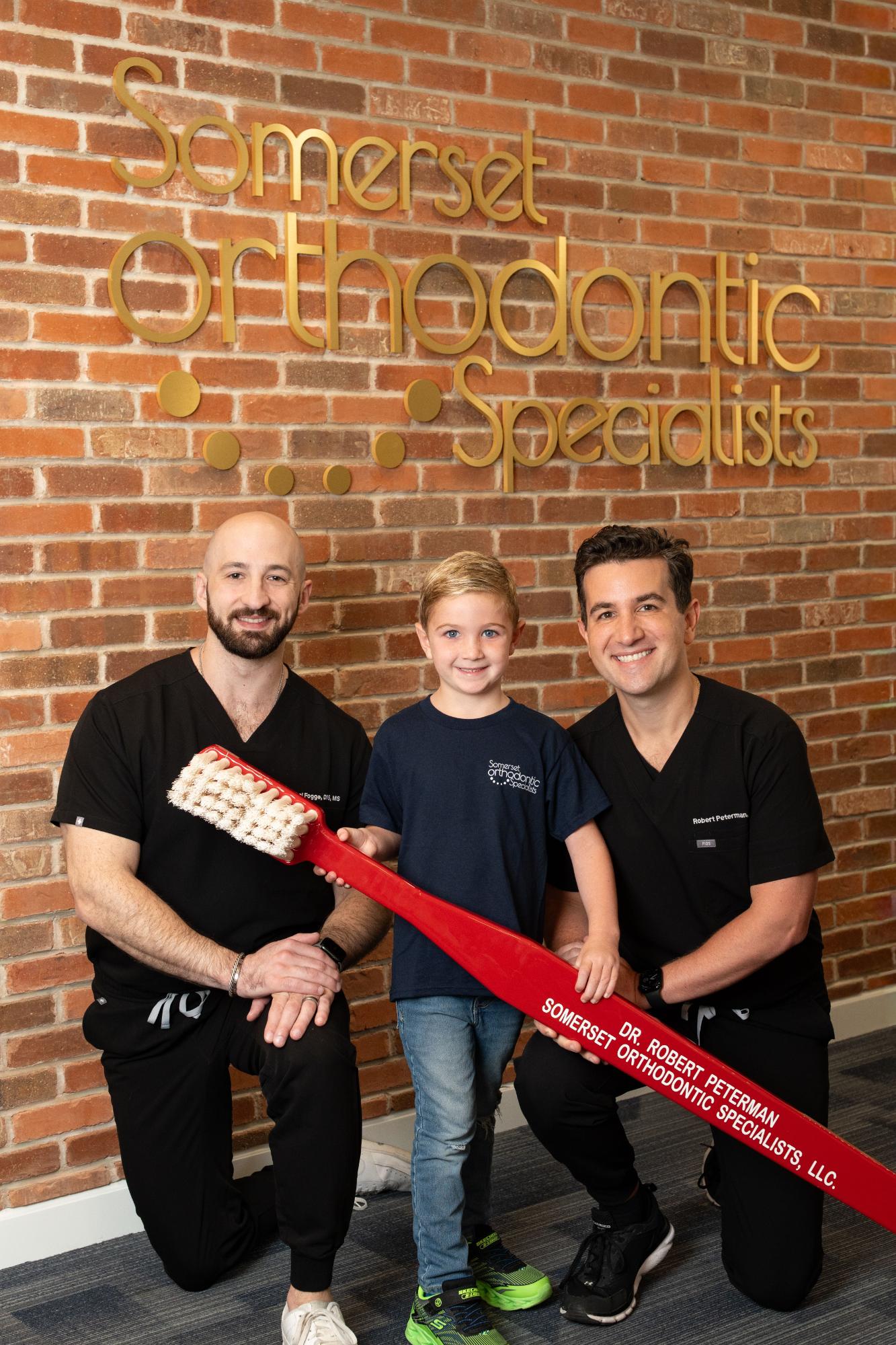
At Somerset Orthodontic Specialists, board-certified orthodontists Dr. Robert Peterman and Dr. Michael Fogge have helped families across Somerset County support their teens through treatment with care, clarity and modern options.
What Are Teen Braces and Why Do They Matter?
Teen braces are orthodontic appliances, such as brackets and wires or clear aligners, used during adolescence to straighten teeth and correct bite problems. The goal is to align the teeth and jaws for better function, oral health and appearance while a teen’s mouth is still growing.
Common signs your teen may need braces include:
- Crowded or overlapping teeth
- An overbite, underbite or crossbite
- Noticeable gaps or spacing
- Difficulty chewing or biting
- Teeth that stick out or appear misaligned
The long-term benefits go well beyond looks. Straight teeth are easier to clean, which lowers the risk of cavities and gum disease. Properly aligned bites support healthy chewing and clearer speech. And for many teens, a confident smile makes a real difference during these formative years.
While a general dentist may spot early concerns, an orthodontist has years of additional training focused specifically on tooth movement and jaw development. At Somerset Orthodontic Specialists, every teen is treated by a provider who specializes in orthodontics.
How Teen Orthodontic Treatment Works Step-by-Step
Teen orthodontic treatment usually follows a predictable path of consultation, planning, placement, routine adjustments and retention. Many teens complete active treatment in about 12 to 24 months, depending on the complexity of their case. Here’s what to expect at each stage.
1. Initial Consultation and Digital Records
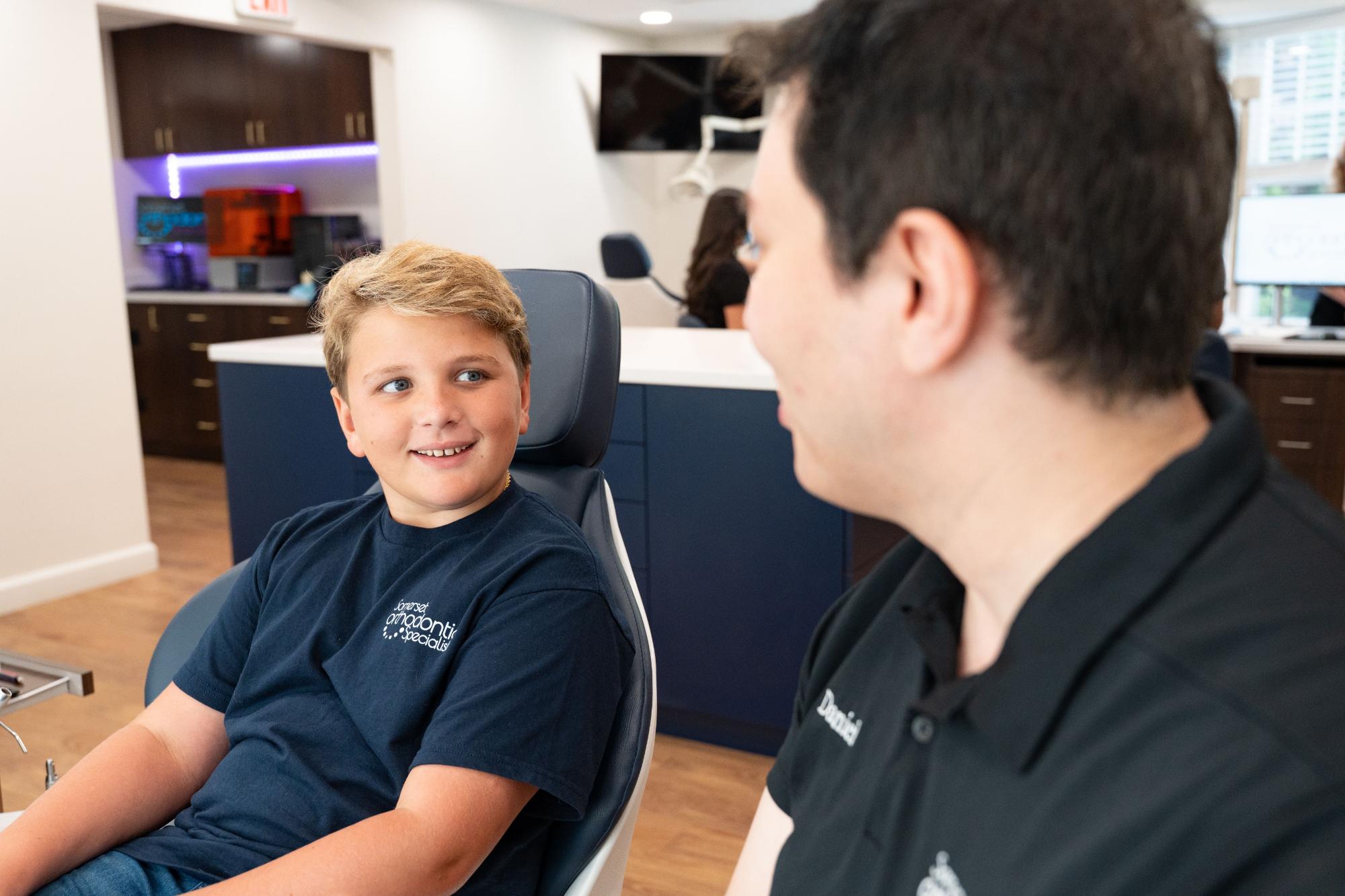
Your teen’s first visit begins with a free in-office consultation at Somerset Orthodontic Specialists. The orthodontist will examine your teen’s teeth and bite, discuss any concerns and gather digital records, including X-rays, digital scans and photos. The scanning process is quick, comfortable and avoids the goopy impressions of years past.
2. Custom Treatment Plan Presentation
Once records are reviewed, Dr. Peterman or Dr. Fogge will walk you and your teen through a custom treatment plan. You’ll see the recommended appliance, estimated timeline and expected results. This is also the time to ask questions.
3. Placement Appointment
For traditional braces, this visit involves bonding small brackets to each tooth and connecting them with a wire. For Invisalign or in-house aligners, your teen will receive their first set of trays along with instructions on wear and care. Most teens find the appointment easier than they expected.
4. Routine Adjustment Visits
Regular follow-up visits allow the orthodontist to make adjustments, swap wires or deliver the next set of aligners. These check-ins keep treatment on track and let the team catch any small issues early.
5. Retainer Phase
Once the active phase ends, your teen will transition to retainers. Wearing them as directed protects the results your teen worked for. You’ve probably heard the saying: night time for a lifetime.
Benefits of Braces During the Teen Years
The teen years are when orthodontic treatment is often faster and more effective than it would be later in life. Here are the key benefits parents should know about.
- Easier tooth movement. The jaw and surrounding bone are still developing during adolescence, which can make it easier to shift teeth into their proper positions and correct bite issues.
- Better oral hygiene. Straight teeth are simpler to brush and floss. That means a lower risk of cavities, gum disease and other long-term dental problems down the road.
- Improved bite function. Braces don’t just straighten teeth. They also correct how the upper and lower jaws fit together, which affects chewing and speech.
- A confidence boost at the right time. Middle school and high school can be socially demanding. Many teens feel more at ease smiling, speaking up in class and taking photos with friends once treatment is underway or complete.
- Fewer complications later. Treating orthodontic issues during adolescence often prevents more complex procedures in adulthood, such as surgical corrections, extensive restorative work or treatment for jaw pain.
- Modern comfort and discretion. Braces today are smaller and smoother than those your generation may remember, and they’re far more comfortable to wear day to day. Clear ceramic braces and Invisalign offer options that are much less noticeable than traditional metal.
Starting treatment during the teen years can mean fewer dental concerns and more smiles for years to come.
Types of Braces for Teens: Comparing Your Options
Not every teen needs the same type of braces. The right choice depends on the complexity of the case, your teen’s lifestyle and personal preference. Dr. Peterman and Dr. Fogge will recommend the option that fits best.
| Option | Visibility | Teen Suitability | Notes |
|---|---|---|---|
| Metal Braces | Most visible | Excellent for all cases | Durable and great for complex corrections |
| Clear Ceramic Braces | Tooth-colored, subtle | Great for image-conscious teens | Works like metal braces with a more natural look |
| Invisalign / Clear Aligners | Nearly invisible | Best for responsible, committed teens | Must be worn 20-22 hours per day |
Metal Braces
Classic metal braces remain one of the most effective tools in orthodontics. They handle even complicated cases well. Teens today can personalize them with colored bands at each visit, which many find to be a fun way to show their style.
Clear Ceramic Braces
Ceramic braces work like metal braces but use tooth-colored brackets that blend in. They’re a popular choice for teens who want a less noticeable look without switching to aligners.
Invisalign and In-House Aligners
Somerset Orthodontic Specialists offers both Invisalign and custom in-house clear aligners. Clear aligners are removable, nearly invisible and let your teen eat without restrictions. The tradeoff is responsibility. Aligners only work if they’re worn 20 to 22 hours a day. For teens with the discipline to keep up with wear, aligners can be an excellent fit.
A Word About Mail-Order Aligners
Direct-to-consumer aligner companies may seem convenient, but they’re not recommended for growing teens. These services skip in-person exams, X-rays and ongoing supervision by a licensed orthodontist. For adolescents whose jaws and teeth are still developing, that oversight matters.
Is Your Teen Ready for Braces?
The American Association of Orthodontists recommends that every child receive a first orthodontic evaluation by age 7. That doesn’t mean treatment starts then. It means an orthodontist can spot developing issues early and recommend the right time to begin.
For most teens, the ideal window falls between ages 11 and 15. By this stage, most permanent teeth have come in, and the jaw is still growing enough to respond well to treatment.
Signs your teen may be ready include:
- Loss of most or all baby teeth
- Permanent teeth that are visibly crowded, spaced or misaligned
- A bite that doesn’t close properly
- Enough maturity to handle oral hygiene, elastics or aligner wear consistently
Having the Conversation With Your Teen
Braces work best when your teen is on board. Talk with them about the commitment involved, including brushing and flossing carefully, wearing elastics or aligners as directed and keeping up with appointments. When teens understand the “why,” they’re much more likely to follow through.
When to Wait vs. When to Start
Sometimes the orthodontist may recommend waiting a few months for more teeth to erupt. Other times, starting right away prevents a developing issue from getting worse. A free consultation with Dr. Peterman or Dr. Fogge is the clearest way to know where your teen stands.
Frequently Asked Questions About Teen Braces
What is the best age for braces?
The best age varies by individual, but most teens begin treatment between ages 11 and 15. By this point, most permanent teeth have erupted and jaw growth is still active, giving the orthodontist an ideal window to correct alignment and bite issues. The American Association of Orthodontists recommends a first evaluation by age 7 so parents can plan ahead.
How long will my teen need to wear braces?
Treatment often takes 12 to 24 months, though some cases finish sooner and more complex cases take longer. The exact timeline depends on the issues being corrected, the type of appliance used and how well your teen follows instructions. Your orthodontist will give you an estimated range at the consultation.
Do braces hurt?
While braces don’t typically cause sharp pain, teens often feel some pressure or soreness for a few days after placement and after adjustments. Over-the-counter pain relievers, soft foods and orthodontic wax can help ease any discomfort. Most teens adjust quickly and barely notice their braces within a week or two.
Can my teen play sports or a musical instrument with braces?
Yes. Teens can continue playing sports with braces, and an orthodontic mouthguard is recommended for contact sports to protect the mouth. Musicians, including brass and woodwind players, can also keep playing. There’s a short adjustment period as the lips and tongue get used to the brackets, but most teens adapt within a few weeks.
What foods should teens avoid with braces?
For teens in traditional braces, avoid hard, sticky and chewy foods that can damage brackets or wires. That includes popcorn, hard candy, caramel, gum, ice and whole apples or carrots (unless cut into small pieces). With clear aligners, there are no food restrictions since the trays are removed for eating.
Does my teen need a retainer after braces?
Yes. Teeth naturally shift over time, so retainers protect the results your teen worked for. Most patients wear their retainers full-time for about a year after treatment, then at night for the long term. Our team makes custom retainers in-house, which makes replacing a lost or broken one quicker.
Start With a Free Consultation in Somerset County
Choosing braces for your teen is a big decision, and the right orthodontic team shapes the entire experience. At Somerset Orthodontic Specialists, Dr. Robert Peterman and Dr. Michael Fogge are board-certified orthodontists backed by a caring team that families across Somerset County trust.
We’re proud to be helping Somerset County smile from three convenient locations:
- Our Somerville office at 199 West High Street
- Our Hillsborough office at 44 New Amwell Road
- Our Montgomery office at 378 Route 518, Suite B in Skillman
Call (908) 526-0039 to schedule your teen’s free in-office consultation. We’d love to help your teen take the first step toward a healthier, more beautiful smile.